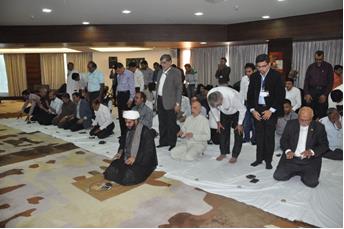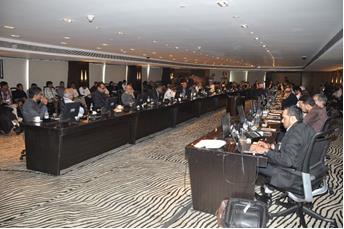
On Sunday 5th January 2014, the first ever Educational Excellence Conference was organised by The World Federation in Mumbai, India.
The Zainabiya Child Sponsorship Scheme (ZCSS) is an initiative of The World Federation that has been running for over 32 years. The World Federation of KSIMC’s education vision has been to empower communities with the ability for them to then become self-sufficient. The most efficient method of reducing illiteracy is through education. This sponsorship scheme supports young students in less advantaged Shia populated areas of the world in order for them to complete their education, ranging from primary through to higher education.
The aim of the conference was to allow donors and agencies of ZCSS, Institutional Leaders and Trustees of Educational centres and experts, to learn and share best practices in Education. Furthermore, it gave an opportunity for key stakeholders to discuss The World Federation’s strategy in this area with the view to shape the strategy for the next thirty years inshAllah.
The key note speaker for the conference was Professor Amir Ullah Khan, Senior Policy Advisor to the Bill and Melinda Gates Foundation.
The Conference was attended by over 100 attendees from around India and the rest of the world. This included attendance from a number of agencies and schools that The World Federation work with, not just through ZCSS but also on other projects, such as the annual Ramadhan Relief Fund.
Welcome Speech
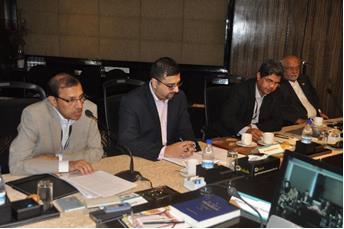
The Conference began with opening remarks from Brother Shabbar Dhalla to welcome all attendees. Brother Shabbar is an Executive Councillor for The World Federation and chaired the Conference for the day. He explained the key purpose of the meeting was to discuss how we can excel in the work that we do through ZCSS – not just in India but all around the world.
ZCSS has been running since the time of Marhum Mulla Asghar and to this day, his vision to eradicate poverty in the Shia Community is still remembered.
The Conference began with a short address from the President of The World Federation, Dr Asgar Moledina. Dr Moledina expressed his happiness that this forum was the first of its kind. This was a historic and memorable day in the history of the community and India had also been one of the main focus areas since the inception of The World Federation over 30 years ago. Dr Moledina discussed how India has so much potential – an area that our community should tap into and the key focus of The World Federation’s work here should be on removing poverty.
Brother Shan E Abbas Hassam, Secretary General of The World Federation expressed his deep pleasure to be in the attendance with so many individuals and experienced community workers from around India and the world. He commented on how collectively everyone could work together for the betterment of the community in India. He raised a number of significant questions for attendees to reflect on. These questions included, how has the policy towards education changed over the years? How specifically can everyone work together? What roles could different trusts undertake? How can we encourage more students into tertiary education and/or vocational training? And what are we looking to achieve in the short and long term? How could we measure success? What impact assessment tools could we utilise?
Brother Masum Somji, Assistant Secretary General of ZCSS then addressed the invitees. He stated that through ZCSS, The World Federation was now working with 14 different agencies and that the time had come that we now looked further into what the organisation was doing and the strategy in place.
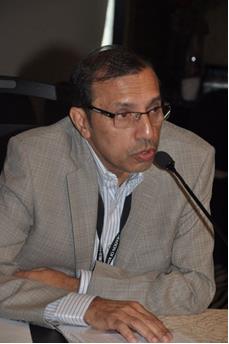
Masum felt there were a number of areas that needed to be focussed on, such as the recruitment of the best teachers, career counselling and putting teacher development programmes into place. It was intended all of these areas would be discussed further during the course of the day.
The World Federation was also pleased to announce the following scholarships:
• The Hirdjee Foundation Loan for 10 female students from the Khoja Community wishing to pursue higher education in India (Undergraduate, Masters & Phd); and
• Zainab Bint Hussain Loan – 10 scholarships are available to both male and female students of all shia communities wishing to pursue Journalism, HR Management and Mass Communication.
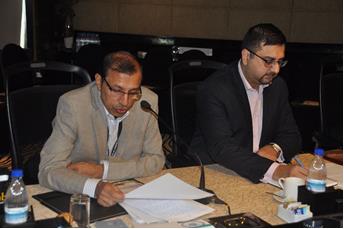
Following these introductory speeches, the key note speaker, Professor Amir Ullah Khan, Senior Policy Advisor to the Bill and Melinda Gates Foundation was introduced.
Key note speech by Professor Amir Ullah Khan
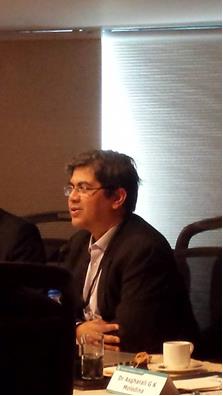
Professor Amir Ullah Khan is a development economist and President of the Glocal University in Saharanpur in India. He studied Electronics Engineering at Osmania University in Hyderabad, Management at the Institute of Rural Management at Anand and got his PhD from the Jamia Millia Central University in Delhi. He is Fellow at the India Development Foundation, Adjunct Professor of Law and Economics at the Edith Cowan University in Western Australia and policy advisor to the Bill and Melinda Gates Foundation.
During this speech, Professor Amir discussed the current situation in India, in particular amongst the Muslim community. There were a number of shocking statistics discussed including the fact that in India, over 25% of the population is defined as poor – that is over 350 million people.
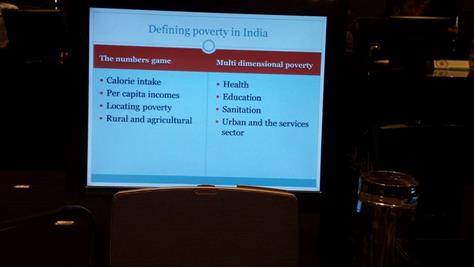
(A photo of one of the slides from Professor Amir’s presentation at the Conference)
Professor Amir focused his discussions on the need to improve the education being provided to students in India – there were a number of ways this could be done – for example, by getting the best teachers at our schools, providing comprehensive teacher training programmes, having a better selection process for students that we support (to reduce the level of drop outs) and providing career counselling.
Alhamdullilah, Professor Amir has offered his services in providing teacher training to the schools and agencies that The World Federation work with and we will inshAllah be discussing this further with him over the next few weeks.
A copy of Professor Amir’s presentation can be found here and or view his speech online. This will inshAllah be available in the next few days.
Sharing of Best Practices by Four Agencies
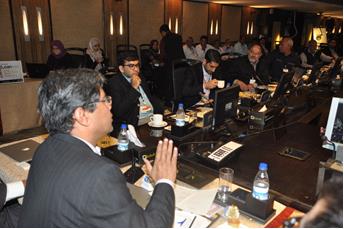
In the afternoon session, a number of presentations were given by key stakeholders and agencies who The World Federation work closely with on ZCSS.
A message was also sent from Chacha Paryani on behalf of Sajjadiya Trust, which was represented by Al-Haj Mustafa Kassam.
It was fantastic to have the opportunity to share good practices and experiences. The key messages/issues raised, included the need:
• To recruit the best teachers;
• To provide comprehensive teacher training programmes to increase the standard of teaching in the schools;
• To have a better selection process in place for students (to reduce the level of drop outs);
• To have formal inspections and assessments in place that assesses teaching standards at schools and can provide recommendations on how to improve;
• To provide career counselling to students;
• To provide better reporting to donors on how students are progressing through their schooling;
• To provide greater transparency to donors with more detailed reporting; and
• For use of impact assessments – i.e. through the funding provided by The World Federation, how has this impacted on a student / family?
During these discussions, Brother Najmul Hassan Rizvi also offered his services in sharing best practices and experiences with other agencies through the work him and his team were doing in India.
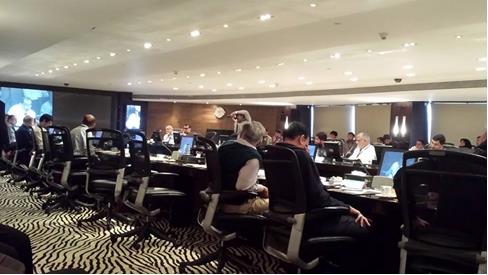
Open Floor Discussion
A number of the issues mentioned above were discussed further and it was clear a lot of work needs to be done in this area. As well as looking at the current challenges in place, there was an opportunity to discuss next steps and what needed to be done going forwards.
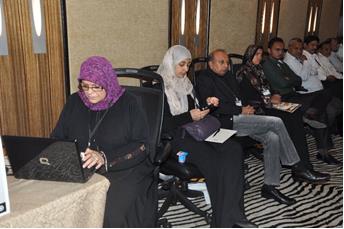
Amongst the many action points agreed, the key points were as follows:
• Teacher Training Programmes would be looked at further, with the assistance of Professor Amir to improve the teaching standards at our schools – a meeting of our agencies would also take place with Mehdi Foundation and Najmul Institution to discuss how they can work together on teacher training;
• The use of impact assessments would be considered to provide donors with meaningful progress data;
• Working with agencies to see how we can tap into government funding for schools for minority communities; and
• A similar conference would be held again in the near future to discuss the progress of the action points agreed in this meeting and to continue the discussions on how the community can excel further in this area.
As the Conference drew to a close, Brother Sajjad Varteji, Chair and Founder of Husseini Education, Bhavnagar commented:
‘It has always been my dream that one day we could all collaboratively work together in India for the betterment of our community. Alhamdullilah, after the Conference today, it is heart-warming to see this coming to fruition.’
The Conference ended with awards being presented by The World Federation to a number of individuals for their contribution to the community, and in particular in this area of Education.
For more information, please email zcss@world-federation.org