What is Influenza?
Commonly called “the flu” it is an illness caused by viruses that infect the respiratory tract of animals, birds, and humans. In most people, the infection results in the person getting a fever, cough, headache, muscle pain and tiredness. Some people may also develop a sore throat, nausea, vomiting and diarrhoea. Majority of individuals can have symptoms for about one to two weeks and then recover with no problems.
However, compared with most other viral respiratory infections, such as the common cold, influenza (flu) can cause more severe illness with a death rate of around 0.1% of people who are infected with the virus.

When does this commonly occur?
This flu circulation commonly occurs yearly, mostly around the winter period and includes "conventional" or "seasonal" flu strains. However, there are situations in which some flu outbreaks are severe. The flu virus is more likely to get passed from person to person in winter due to people having reduced immunity to illness if they are cold or unwell. In addition people are more likely to congregate indoors in hot, humid conditions during winter where the virus can thrive.
How many types of Influenza viruses are there?
Influenza viruses are divided into three types; A, B, and C and are divided into further sub-groups. The outbreaks of respiratory illness that occur almost every winter are caused by Influenza types A and B. These are responsible for increased rates of hospitalization and death. Influenza type C usually causes either a very mild respiratory illness or no symptoms at all.
Influenza viruses continuously change over time, usually by mutation (change in its structure). This constant changing enables it to evade the immune system of the host (humans, birds, and other animals). Therefore we are susceptible to changing influenza virus infections throughout our lifetime.
How does this spread and cause infection?
The virus spreads by droplets or direct contact, and if not killed by the host's immune system, multiplies in the respiratory tract and damages host cells. In people who are immune compromised (for example pregnant women, infants, cancer patients, asthma patients, people with pulmonary disease, elderly and many others with underlying health conditions), the virus can cause viral pneumonia or stress the individual's system to make them more susceptible to bacterial infections, especially bacterial pneumonia. Both pneumonia types, viral and bacterial, can cause severe complications and sometimes death.
What is a pandemic flu outbreak?
This occurs when we humans are exposed to a flu strain against which we have little or no immunity against as the virus has changed in a significant way. Severe worldwide outbreaks have occurred several times in the last hundred years. The worst influenza pandemic (also termed Spanish flu / influenza) occurred in 1918 when the virus caused between 40-100 million deaths worldwide, with a mortality rate estimated to range from 2%-20%.
What does this have to do with us?
In April 2009, a new influenza strain against which the world population has little or no immunity was isolated from humans in Mexico. It quickly spread throughout the world hence the WHO declared this new flu strain (termed H1N1 influenza A or “swine flu”) as the cause of a pandemic on June 11, 2009. This was the first declared flu pandemic in 41 years. Fortunately, there was a worldwide response that included vaccine production and good hygiene practices (especially hand washing) being emphasized. As a result the virus (H1N1) caused far less sickness and death than was expected and predicted. The WHO declared the pandemic's end on Aug. 10, 2010, as it no longer fit into the WHO's criteria for a pandemic.
What happened in 2010 / 2011?
The dominant strain in this year’s winter flu was the swine flu virus from last year's pandemic. The H1N1 strain (swine flu) is worse than other strains as it tends to develop more quickly and is characterised by high fevers and gastrointestinal upsets. This winter's “flu” and “swine flu” was the same thing however this was NOT an epidemic or a pandemic. However the UK had to deal with the heaviest winter flu surge since 1999 and vaccination uptake was promoted mid-way through the winter period.
Can I avoid catching flu?
Apart from isolating oneself from people it is difficult to avoid encountering flu viruses. They are extremely common and are spread readily by coughs and sneezes.
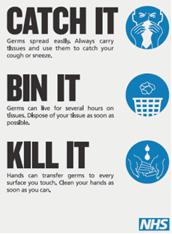
To protect oneself and others this winter follow the “Catch it, Bin it, Kill it advice” - always carry tissues with you and use them to catch your cough or sneeze. Then bin the tissue, and wash your hands with soap and water to kill the germs, or use a hand sanitizer gel. This is the best way to help slow the spread of flu.
In addition keep your immune system strong by having a healthy diet, taking regular exercise, getting enough rest and relaxation and not smoking will help avoid illness.
How can I protect myself against flu?
Every year a vaccine is available that offers protection against the most commonly circulating types of flu. This year’s vaccine for example also protects against the H1N1 swine flu virus. The other two strains of flu this year's jab protects against are H3N2 and influenza B.
H1N1 is no different from other strains of flu as regards to the principles of creating a vaccine to protect against it. Its inclusion in this year's seasonal flu vaccine poses no additional risk. It is included simply because it is one of the major flu strains circulating in Britain this winter.

How effective is the vaccine?
Flu vaccinations are 70-80% effective in healthy adults, when there is a good match between the vaccine and the strains of flu in circulation. Most people who have been vaccinated do not get the kinds of flu from which the vaccine was made. However, if you do catch flu, it is likely to be milder than if you had not been vaccinated.
Are there any side effects?
Flu vaccines are safe with side effects being minor and usually disappearing within one to two days. The vaccine is inactive and therefore cannot cause the flu that it is protecting against. However, some people can experience some side effects. These are usually limited to some soreness and swelling around the site of the injection, headache, fever, shivering and fatigue.
Useful references:
O’Dowd A (2011). Influenza: questions and answers, British Medical Journal; 342: d190.
Donaldson L,Rutter P, Ellis B,Greaves F, Mytton O, Pebody R, Yardley I (2010). Mortality from pandemic A/H1N1 2009 influenza in England: public health surveillance study, British Medical Journal; 340: 82.
Sadak M (2011). H1N1 influenza — managing the medicines supply chain, The British Journal of Clinical Pharmacy; 3: 55-56.
Health Protection Agency
Centres for Disease Control and Prevention:
By Mohamed Riza Sadak